Bill Gates Dials Back Climate Alarmism: "Humanity Will Thrive"
This stance represents a significant evolution from Gates’ previous public positions. In his 2021 book How to Avoid a Climate Disaster, he described climate change as the greatest challenge humanity has ever faced.
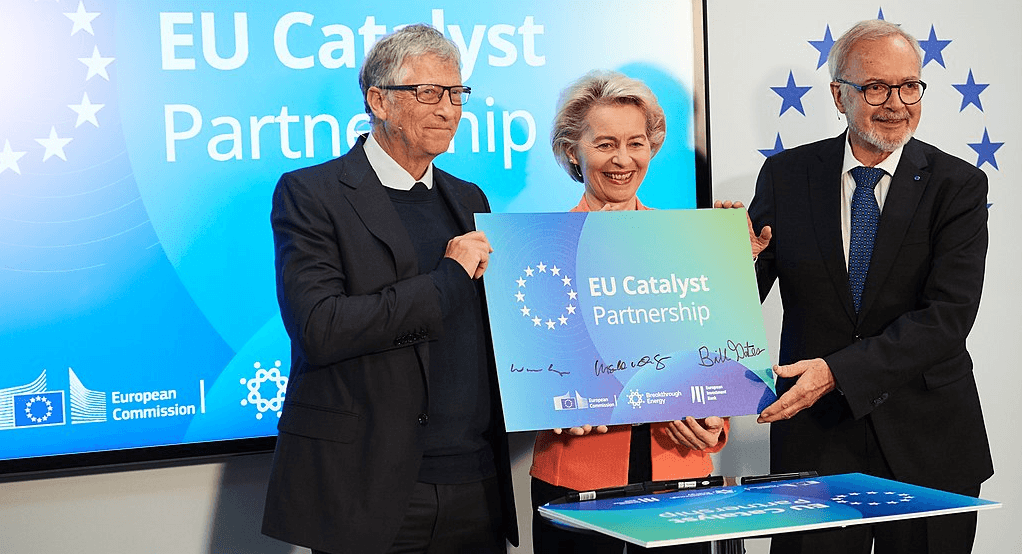
Bill Gates, who for over a decade positioned himself as one of the most prominent and influential advocates for aggressive action against climate change, released a detailed memo on October 28, 2025, through his Gates Notes platform that marks a clear departure from his earlier dire warnings. In the document, Gates explicitly states that climate change will not result in the end of human civilization and that people "will be able to live and thrive in most places on Earth."
The Microsoft co-founder and philanthropist, whose foundation has directed billions of dollars toward clean energy technologies and climate mitigation efforts, now argues that the conversation must shift away from an exclusive focus on carbon emissions and temperature thresholds. Instead, he emphasizes measurable improvements in human well-being as the true benchmark for progress. Gates points out that "excessive cold kills nearly ten times more people every year than heat," citing global health data that shows temperature-related mortality remains heavily skewed toward colder conditions.
Gates critiques specific climate policies that he believes have produced unintended negative consequences. He highlights fertilizer restrictions in countries like Sri Lanka and the Netherlands, which he says triggered food shortages and economic hardship with negligible reductions in global emissions. Similarly, he questions the effectiveness of blanket financing bans on fossil fuel projects in developing nations, noting that such measures have "almost no impact" on worldwide emissions while hindering poverty reduction.
This stance represents a significant evolution from Gates’ previous public positions. In his 2021 book How to Avoid a Climate Disaster, he described climate change as the greatest challenge humanity has ever faced—more complex and urgent than the COVID-19 pandemic—and laid out a comprehensive plan requiring massive global coordination and investment to reach net-zero emissions by 2050. Through Breakthrough Energy, his investment vehicle, Gates has funded dozens of startups in areas such as green hydrogen, advanced nuclear, and carbon capture, often framing these as essential to preventing catastrophic outcomes.
In the new memo, however, Gates argues that apocalyptic messaging has become counterproductive. He maintains that while climate change is a serious issue requiring continued innovation in clean energy, the narrative of inevitable doom distracts from more immediate and solvable problems like malaria, maternal mortality, and agricultural productivity. He advocates for a pragmatic approach: keep developing affordable zero-carbon solutions, but do not sacrifice human development in the process.
Gates concludes by expressing optimism grounded in historical precedent. He notes that over the past century, global life expectancy has doubled, extreme poverty has plummeted, and access to electricity has expanded dramatically—all while the planet warmed. With continued technological advancement and adaptive strategies, he asserts, humanity is well-positioned to manage the challenges ahead without abandoning economic growth or energy reliability.
Like this article