Evidence indicates Milley Engineered Biden Admin's Misleading Narrative on Afghanistan Collapse
Contrary evidence shows the Taliban surge began months earlier. Biden's April 14, 2021, "Go-to-Zero" directive accelerated the drawdown, leading to provincial capitals falling by early August. Gen. Austin "Scottie" Miller, last commander of NATO's Resolute Support, later conceded the collapse unfolded over months, not days.
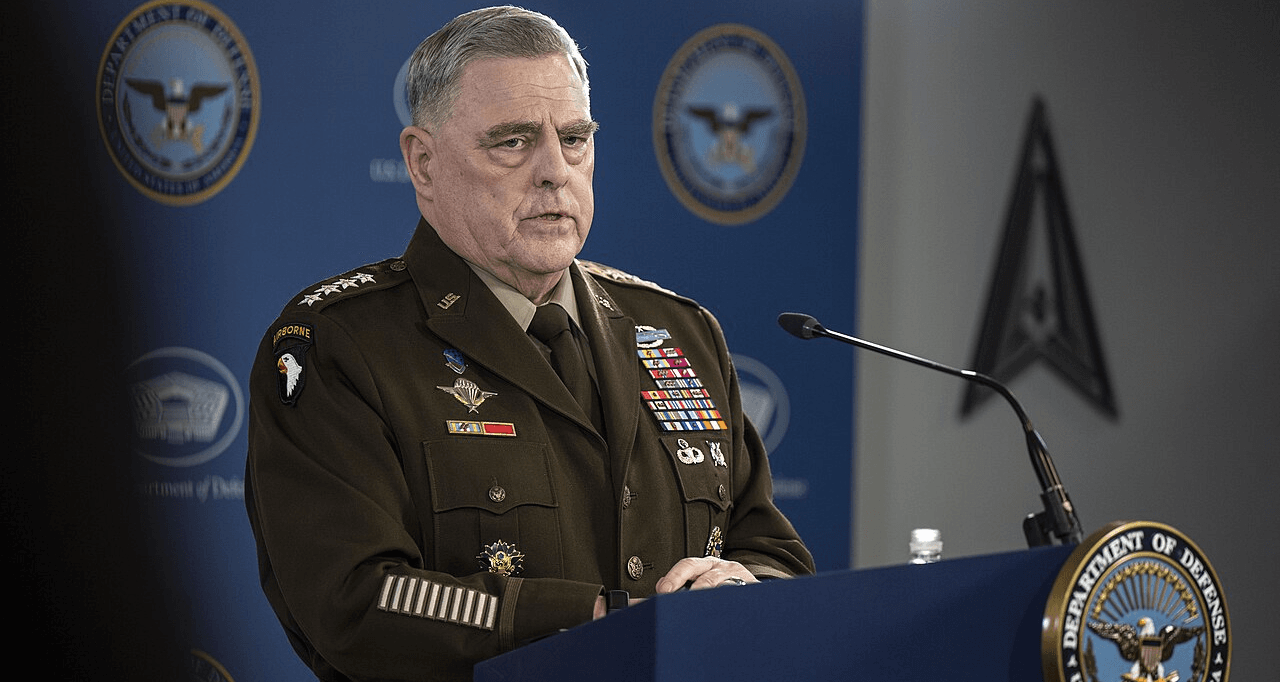
Newly uncovered details reveal that former Joint Chiefs Chairman Gen. Mark Milley spearheaded the Biden Administration's false claim that Afghanistan's fall to the Taliban occurred in just "eleven days," obscuring months of deteriorating conditions following President Biden's April 2021 withdrawal order. This narrative, echoed by Biden, Defense Secretary Lloyd Austin, Secretary of State Antony Blinken, and others, aimed to deflect blame for the chaotic evacuation that left 13 U.S. service members dead and billions in equipment behind.
Milley first promoted the "eleven days" line in an August 18, 2021, Pentagon briefing, stating, "There was nothing that I or anyone else saw that indicated a collapse of this army and this government in 11 days." He reiterated it in congressional testimony on September 28, 2021, admitting intelligence assessments ranged from weeks to years but emphasizing the unexpected rapidity. In a September 2023 interview, Milley maintained, "Wars aren't lost in the last 10 days or 10 months," shifting focus from immediate failures. Biden amplified this in August 2021 speeches, claiming no one foresaw such a swift collapse. Austin and Blinken followed suit, with Austin telling lawmakers in September 2021 the fall was unforeseen in that timeframe.
Contrary evidence shows the Taliban surge began months earlier. Biden's April 14, 2021, "Go-to-Zero" directive accelerated the drawdown, leading to provincial capitals falling by early August. Gen. Austin "Scottie" Miller, last commander of NATO's Resolute Support, later conceded the collapse unfolded over months, not days. Central Command's Gen. Frank McKenzie testified in March 2024 that State Department delays in non-combatant evacuations contributed to the chaos, with the NEO ordered only on August 14, 2021. Intelligence reports from July 2021 warned of rapid Taliban advances, contradicting Milley's assertions.
Milley's narrative formed part of broader missteps. In July 2021, he dismissed Saigon comparisons as "not comparable," yet helicopters evacuated the U.S. embassy in Kabul weeks later. He inflated Afghan forces at 325,000-350,000, ignoring desertions and ghost soldiers reducing effective strength to under 200,000. Underestimating Taliban control, Milley claimed in June 2021 only 81 of 419 districts were held by insurgents; by July, it was over 200.
The House Foreign Affairs Committee's (HFAC) 2024 report, led by then-Chairman Michael McCaul, omitted these details, falsely asserting military leaders accurately predicted the collapse. McCaul's September 2024 letter to Jake Sullivan repeated this, claiming Psaki's denial of predictions was false, despite evidence showing leaders like Milley missed the signs. Sullivan met HFAC in December 2024.
Biden pardoned Milley on January 19, 2025, his last full day in office, alongside Fauci, Jan. 6 committee members, and family. Milley expressed gratitude, now serving as a Princeton visiting professor and JPMorgan advisor.
Under President Trump, Defense Secretary Pete Hegseth's review examines Pentagon failures, with independent factfinders aiding transparency. Milley's unresponsiveness to inquiries persists.
Like this article