Federal Judge Dismisses Charges Against Comey and James on Appointments Clause Violation; DOJ Vows Appeal
The decision, issued on November 24, 2025, by U.S. District Judge Cameron McGowan Currie, allows for potential refiling but represents a significant setback for the Trump administration's efforts to hold the officials accountable.
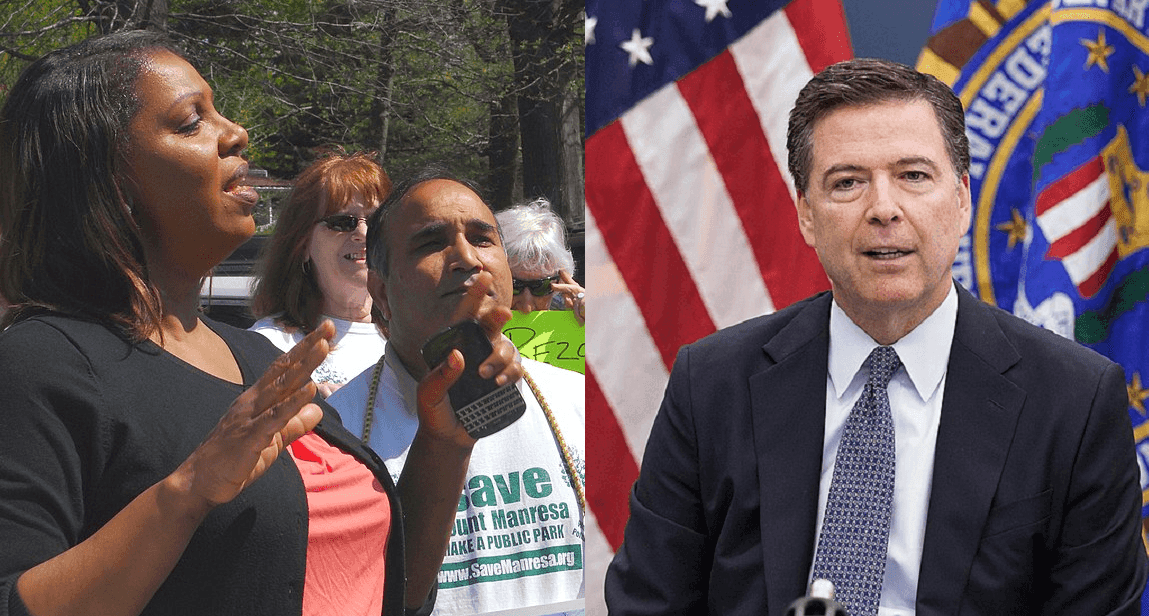
A federal judge in South Carolina dismissed criminal indictments against former FBI Director James Comey and New York Attorney General Letitia James, ruling that the prosecutor who brought the cases was unlawfully appointed under the Constitution's Appointments Clause. The decision, issued on November 24, 2025, by U.S. District Judge Cameron McGowan Currie, allows for potential refiling but represents a significant setback for the Trump administration's efforts to hold the officials accountable.
Comey faced two felony counts: making a false statement to Congress in 2020 and obstruction of justice related to his testimony on the FBI's handling of the Hillary Clinton email investigation and the Russia probe into President Trump's 2016 campaign. James was indicted on mortgage fraud charges stemming from a 2023 real estate transaction, which prosecutors alleged involved misrepresentations to secure favorable terms. Both cases originated in the U.S. District Court for the District of South Carolina, where interim U.S. Attorney Lindsey Halligan, a former White House aide nominated by President Trump in September 2025, led the prosecutions.
Judge Currie, a Clinton appointee, determined that Halligan's appointment as interim U.S. attorney violated the Appointments Clause, which requires Senate confirmation for principal officers exercising significant authority. Halligan, lacking prior prosecutorial experience, assumed the role after the previous interim attorney, Erik Siebert, resigned amid reported pressure to pursue the high-profile cases. The judge rejected defense arguments for dismissal with prejudice—barring refiling—stating that a without-prejudice dismissal sufficiently addressed the constitutional violation without unduly hampering government interests. Other defense motions, including claims of vindictive prosecution and grand jury irregularities in Comey's case, remain unresolved and could influence future proceedings.
The ruling aligns with recent precedents disqualifying interim U.S. attorneys in districts including New Jersey, Los Angeles, and Nevada due to similar appointment challenges. In those instances, ongoing cases proceeded under new leadership, but the South Carolina decision halts the Comey and James prosecutions pending resolution.
The Justice Department swiftly signaled its intent to appeal. White House Press Secretary Karoline Leavitt stated, "Everybody knows that James Comey lied to Congress, it's as clear as day. This judge took an unprecedented action to throw these cases out to shield Comey and Letitia James from accountability based on a technical ruling." She emphasized Halligan's qualifications and legality of her appointment, adding, "The administration disagrees with that technical ruling... I know the Department of Justice will be appealing this in very short order." The appeal will likely target the Fourth Circuit Court of Appeals, with potential escalation to the Supreme Court if constitutional questions deepen.
Comey, fired by President Trump in 2017 amid the Russia investigation—which the president has termed the "Russia hoax"—responded in an Instagram video, acknowledging the fight's continuation. "My attitude is going to be the same. I’m innocent, I am not afraid, and I believe in an independent federal judiciary," he said, anticipating further charges from the administration. James, a frequent Trump critic who secured his 2024 New York civil fraud conviction, declared herself "fearless" and recommitted to public service.
Looking ahead, the five-year statute of limitations on Comey's federal charges expired in September 2025 for the false statement count, complicating refiling if the appeal drags on; James's state-related mortgage fraud lacks such a federal time bar. Legal experts anticipate the DOJ could appoint a Senate-confirmed U.S. attorney or transfer venue to expedite reindictment, though political sensitivities may delay action. The cases underscore persistent tensions over executive appointments and prosecutorial independence in the Trump era, with no immediate trial dates set pending appellate review.
Like this article