Hamas Agrees to Key Portions of President Trump's Gaza Peace Plan, Eyes Hostage Release
While there are still details to work out, the Hostages are really Hamas' only leverage. That they are willing to give them up signals they are ready for the war to end.
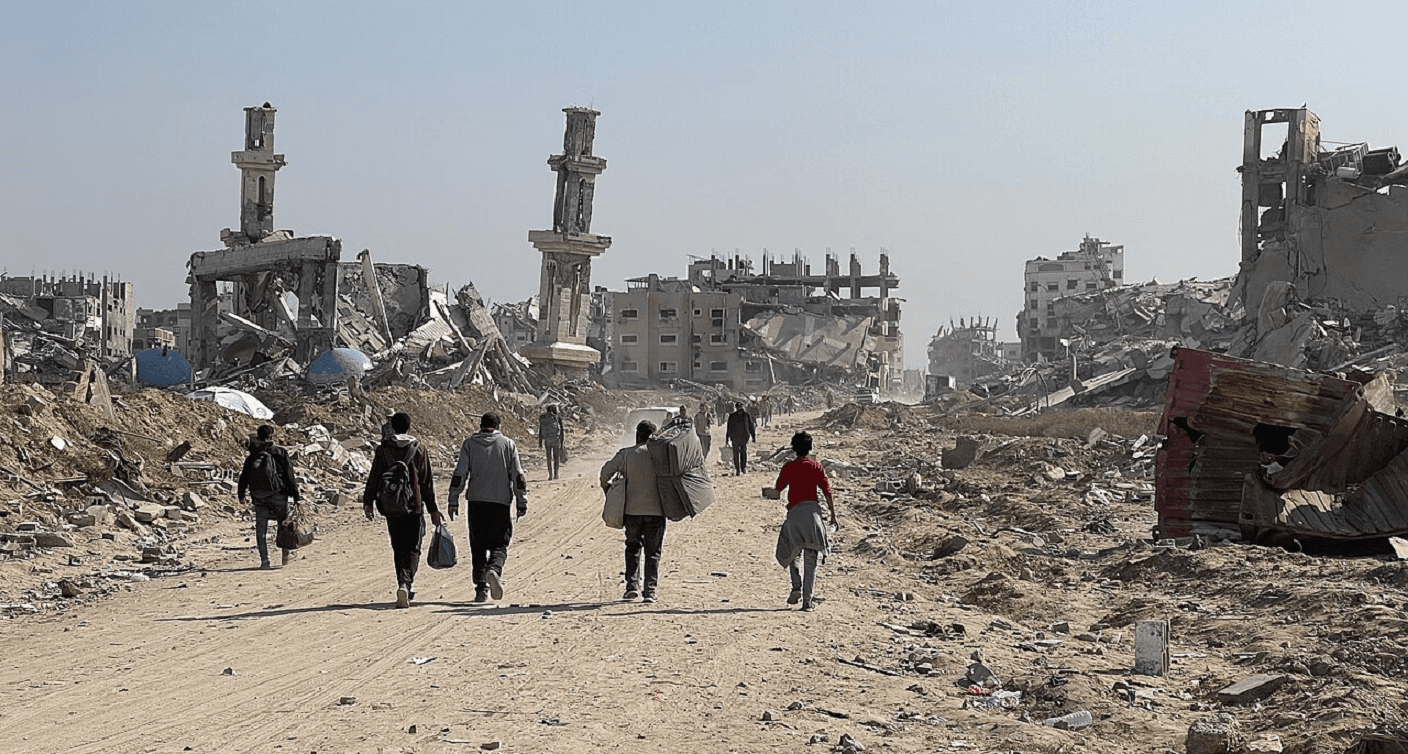
Hamas announced Thursday its readiness to release all remaining Israeli hostages, living and deceased, as part of President Donald Trump's 20-point Gaza peace proposal, while expressing willingness to transfer administrative control of the territory to a technocratic Palestinian body but stopping short of full demilitarization commitments. The statement, issued after consultations with mediators including Egypt and Qatar, marks the first public response from the group since the plan's unveiling last week, prompting optimism from Trump and Israeli Prime Minister Benjamin Netanyahu about advancing Phase One.
In the statement, Hamas affirmed approval of the hostage exchange formula, pledging to negotiate details immediately through intermediaries to facilitate the unconditional release of captives held since the October 7, 2023, attacks, which killed 1,200 Israelis and led to 251 abductions. The group highlighted appreciation for provisions ensuring immediate humanitarian aid entry, rejection of Israeli occupation or displacement, and prisoner swaps, including Israel's release of 250 life-sentence detainees, 1,700 Gazans arrested post-October 7, and proportional remains exchanges. Hamas also endorsed handing Gaza governance to an independent Palestinian administration backed by Arab and Islamic consensus, aligning with the proposal's vision for a non-militarized entity.
However, Hamas conditioned broader acceptance on "a collective national position" regarding Gaza's future and Palestinian rights, insisting on guarantees for a sovereign state per international resolutions and further talks on demilitarization, tunnel dismantlement, and weapons buyback programs. The group described these as "tied to comprehensive Palestinian national framework," signaling reservations over Israel's security demands, which Netanyahu has deemed non-negotiable for lasting peace.
Trump, responding on Truth Social Friday, expressed belief that "Hamas is ready for a lasting PEACE" based on the statement, urging Israel to "immediately stop the bombing of Gaza" to enable safe hostage extraction amid ongoing dangers. "We are already in discussions on details to be worked out. This is not about Gaza alone, this is about long sought PEACE in the Middle East," Trump added in a video message, calling it a "special day" and thanking regional partners. Earlier Friday, he had set a Sunday 6 p.m. ET deadline for full agreement, warning of severe consequences otherwise.
Netanyahu, in translated remarks to Newsmax, confirmed Israel is "preparing for the immediate implementation of the first stage" focusing on hostage release, vowing full cooperation with Trump to conclude the war per Israeli principles consistent with the proposal. He reiterated goals of dismantling Hamas's military infrastructure and ensuring citizen safety, with right-wing coalition members voicing skepticism absent verifiable disarmament proofs.
The 20-point framework emerged from Trump's direct diplomacy, developed over months with input from Netanyahu, Arab allies, and U.S. intelligence assessing post-October 7 dynamics. Unveiled September 29 at the White House during Netanyahu's visit, it proposes an immediate ceasefire upon Hamas acceptance, followed by phased Israeli withdrawal to pre-agreed lines, International Stabilization Force deployment for border security and police training, and economic redevelopment without annexation. Phase One prioritizes hostages for prisoners and aid influx; subsequent stages mandate Hamas disarmament under monitoring, interfaith dialogues, and Palestinian Authority reforms toward statehood.
Prospects for finalizing details appear favorable in the short term, with mediators reporting "keenness" from Hamas to end hostilities and U.S. sources noting 72-hour timelines for Phase One execution if demilitarization talks progress. Egypt and Qatar, key brokers, welcomed the response, while the Palestinian Authority endorsed the technocratic handover and election provisions. Yet implementation hurdles loom: Hamas's demilitarization reluctance—central to Israel's demands—has derailed prior ceasefires, and Iranian opposition could inflame proxies. A September 2025 State Department assessment pegs 60% odds of Phase One success within two weeks, rising to 75% with Arab guarantees, but full adherence risks falter at 40% absent enforcement mechanisms like U.S.-led sanctions on non-compliant actors.
Success would cap 23 months of conflict displacing 1.9 million Gazans and claiming over 41,000 lives per Gaza authorities, unlocking $50 billion in reconstruction and stabilizing a corridor vital to global trade routes. For the region, it extends the 2020 Abraham Accords' framework, normalizing Israel-Arab ties amid $3 billion annual commerce, potentially drawing Saudi Arabia despite reservations. Trump's role, building on first-term breakthroughs, positions the plan as a legacy-defining achievement in countering extremism.
Like this article