Japan’s Trump influenced Rightwing Revolution: Sanseito’s Surge Shakes Up LDP and Globalist Agenda
Sanseito’s “Japanese First” surge has crushed the LDP’s grip on power, signaling a populist revolt against globalism. As Ishiba clings to office, Japan’s rightwing revolution demands a new era of sovereignty.
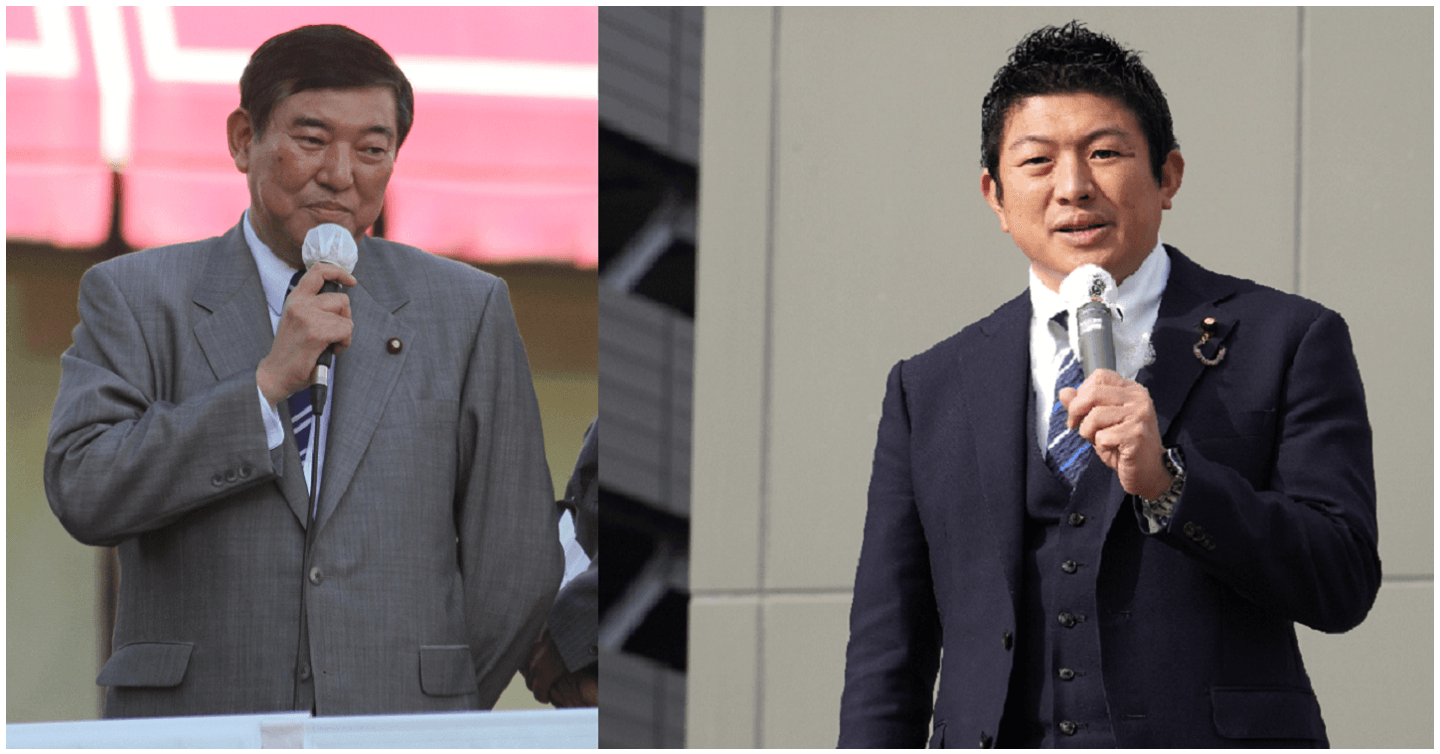
Japan’s political landscape is undergoing a seismic shift as the rightwing Sanseito party, led by the charismatic Sohei Kamiya, has delivered a stunning blow to Prime Minister Shigeru Ishiba’s Liberal Democratic Party (LDP) in the July 20, 2025, upper house election. The LDP, which has dominated Japanese politics for nearly seven decades, lost its majority in the 248-seat chamber, securing only 46 seats alongside its coalition partner Komeito, falling short of the 50 needed to maintain control. Sanseito, with its “Japanese First” platform, capitalized on voter frustration with rising prices, a weak yen, and perceived globalist overreach, winning an estimated 14 to 22 seats and emerging as a major force. This surge, inspired by Donald Trump’s bold populism, signals a growing rejection of establishment policies and a demand for national sovereignty.
Sanseito, founded in 2020, rose from obscurity through YouTube, initially gaining traction with anti-vaccine and anti-globalist rhetoric during the COVID-19 pandemic. Kamiya, a 47-year-old former supermarket manager and English teacher, has drawn comparisons to Trump for his fiery, anti-establishment speeches, railing against “shadowy globalists” and a “corrupt political elite.” His campaign focused on protecting Japanese culture, restricting immigration, and opposing trade concessions that threaten local farmers, particularly in rice markets critical to national identity. With foreign residents hitting a record 3.8 million in 2024 (3% of Japan’s population) and tourism soaring to 36.9 million visitors, Sanseito’s warnings of a “silent invasion” resonated with young, conservative voters disillusioned by the LDP’s moderate stance under Ishiba. The party’s platform also includes tax cuts, increased child benefits, and leveraging AI and robotics to address labor shortages without relying on foreign workers.
Ishiba, 68, refuses to resign despite the LDP’s worst electoral showing in 15 years, citing critical U.S. trade negotiations as a reason to stay. With Trump threatening 25% tariffs on Japanese goods by August 1, 2025, Ishiba’s weakened position complicates Japan’s ability to resist U.S. pressure while protecting its agricultural sector. The LDP’s loss of both upper and lower house majorities—following an October 2024 defeat—has left Ishiba vulnerable to no-confidence motions and internal party rivals like Sanae Takaichi and Shinjiro Koizumi. Meanwhile, Sanseito’s 400,000-strong YouTube following and appeal to young men signal a digital insurgency that’s reshaping Japan’s politics, much to the chagrin of globalist media outlets labeling it “fringe” or “extremist.”
For conservatives, Sanseito’s rise is a clarion call. It reflects a global awakening against open borders, economic surrender, and cultural erosion. Kamiya’s rejection of gender equality policies as “mistakes” that discourage childbirth and his push for agricultural self-sufficiency echo the values of traditionalists who see Japan’s identity at stake. While critics cry xenophobia, Kamiya clarified to Nippon TV that “Japanese First” prioritizes citizens’ livelihoods, not outright bans on foreigners. As Japan navigates economic headwinds and a declining birthrate, Sanseito’s vision of a self-reliant, culturally confident nation is gaining ground, challenging the LDP’s decades-long hegemony and sending a message to global elites: the Japanese people are taking back control.
Like this article