NIH-Funded Study Buries COVID Vaccine Risks for Reinfected Youth in Long COVID Analysis
The omission drew scrutiny from independent analyses, as the study's lead, Yong Chen of the University of Pennsylvania, did not respond to queries on methodology.
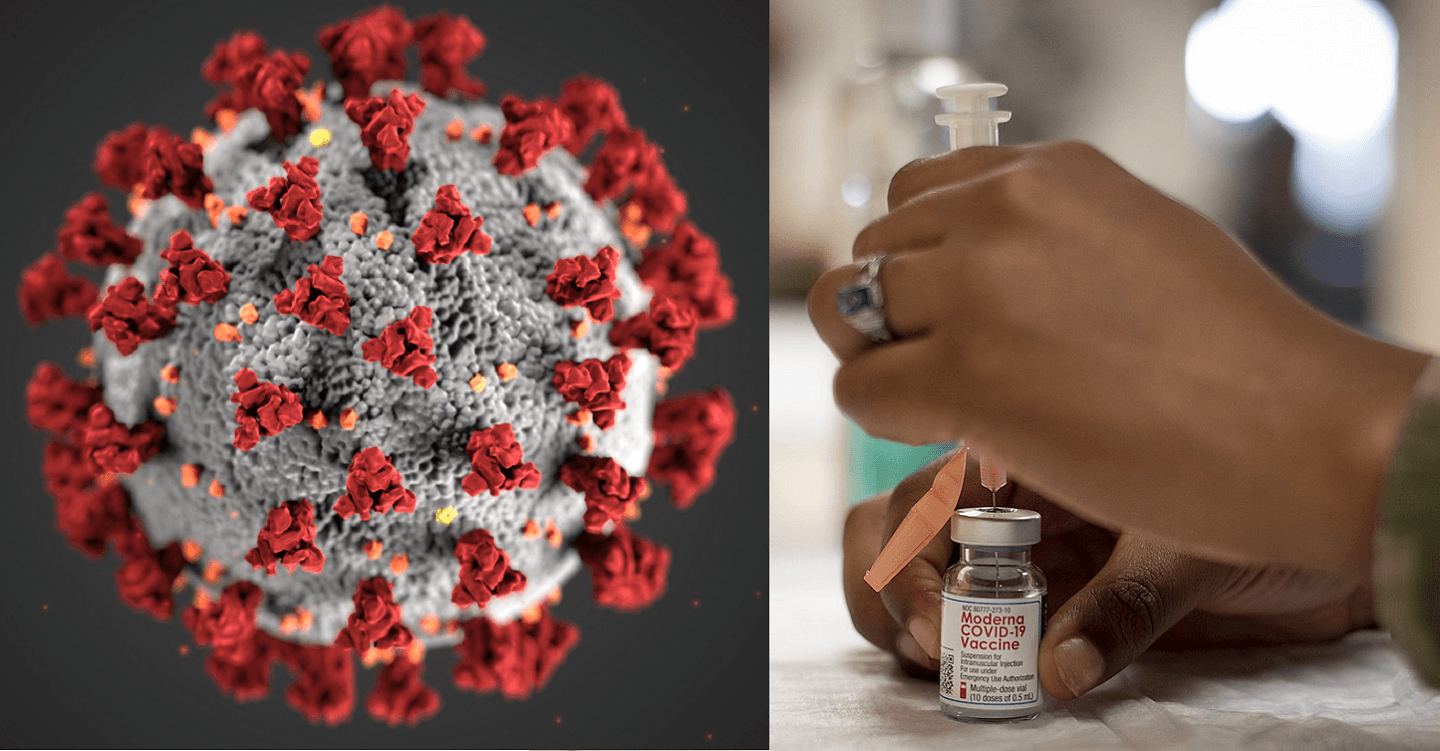
A National Institutes of Health-funded study on long COVID and reinfection risks in children and adolescents, published September 30 in The Lancet Infectious Diseases, revealed in its supplementary materials that vaccinated youth experiencing a second SARS-CoV-2 infection face elevated risks for certain long-term conditions, including liver and kidney issues, compared to unvaccinated peers—findings omitted from the main text and conclusions.
The RECOVER Consortium analysis, involving 1.2 million patients under 21 from January 2022 to October 2023, found reinfection doubles overall long COVID incidence, with vaccinated reinfected children showing 10% higher odds for a range of post-acute sequelae, per stratified data in Appendix Table S3. Specific risks included kidney damage (odds ratio 1.15) and liver dysfunction (1.12) among vaccinated versus unvaccinated reinfected groups, contrasting lower rates for myocarditis (0.85) and cognitive issues (0.92). Authors parsed data extensively but excluded direct vaccinated-unvaccinated comparisons in primary results, stating vaccines "significantly reduce long COVID risk" without stratification.
The omission drew scrutiny from independent analyses, as the study's lead, Yong Chen of the University of Pennsylvania, did not respond to queries on methodology. The Lancet confirmed peer review but declined comment on supplement placement. This follows a 2024 American Heart Association study burying similar non-hospitalized cardiac risks, highlighting patterns in federally funded research.
The findings align with the Centers for Disease Control and Prevention's October 6 update under the Trump administration, shifting to individualized vaccine decisions based on patient risks and benefits, per acting CDC Director Jim O’Neill. Booster uptake has fallen to 23% of adults from 85% initially, reflecting Operation Warp Speed's original series. O’Neill noted prior blanket recommendations "deterred discussions of harms," accelerating NIH policy for immediate public release of funded results to enhance transparency.
Like this article