President Trump and Zelenskyy Set for Crucial Washington Talks Amid Ukraine Peace Push
Zelenskyy revealed the plans in a post on X, expressing gratitude for the invitation and emphasizing the need to "discuss all of the details regarding ending the killing and the war."
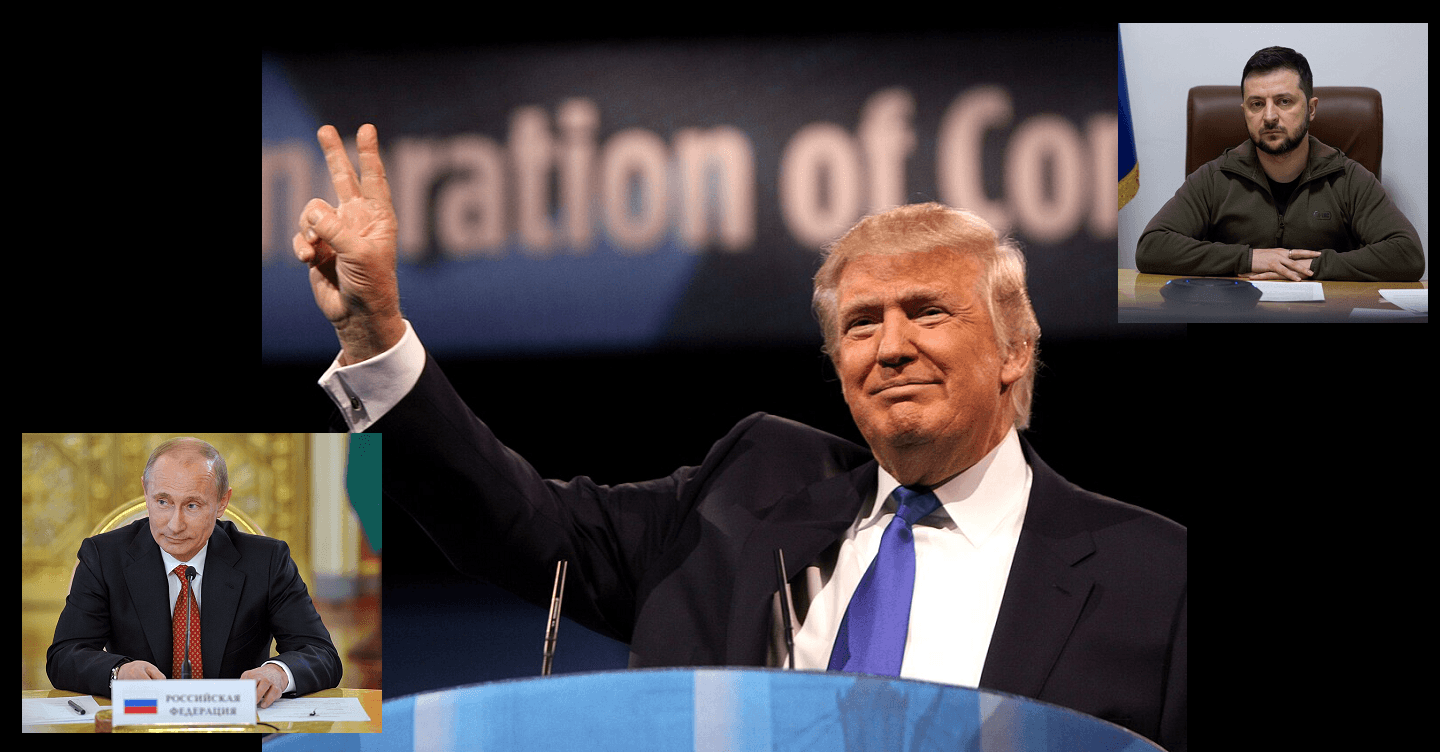
Ukrainian President Volodymyr Zelenskyy will head to the White House on Monday for a pivotal meeting with President Trump, aiming to hammer out details on halting Russia's brutal invasion of Ukraine. The announcement follows President Trump's high-stakes summit with Russian President Vladimir Putin in Alaska on Friday, where glimmers of progress emerged but no concrete deal materialized.
Zelenskyy revealed the plans in a post on X, expressing gratitude for the invitation and emphasizing the need to "discuss all of the details regarding ending the killing and the war." President Trump, fresh off his marathon trip, confirmed the Oval Office sit-down, hinting it could pave the way for a trilateral gathering involving Putin if discussions go well. "Zelenskyy will be coming to D.C., the Oval Office, on Monday afternoon," President Trump stated. "If all works out, we will then schedule a meeting with President Putin."
The Alaska summit, held in Anchorage, marked the first face-to-face between President Trump and Putin since the war's onset in February 2022. Lasting over two and a half hours, the talks focused on a potential ceasefire and broader peace framework. President Trump described the session as "very productive," noting agreement on several key points but acknowledging "one or two pretty significant items" remain unresolved. Putin echoed the constructive tone, thanking President Trump for hosting and stressing Russia's security concerns, while hoping NATO and European leaders avoid sabotage.
No questions were taken at the joint press conference, leaving details sparse. President Trump mentioned upcoming calls to NATO allies and Zelenskyy to bridge gaps. Putin spoke at length about neighborly ties between Russia's Far East and America's West Coast, underscoring the need for agreements prioritizing Russia's national interests. Dmitry Medvedev, a key Russian figure, later claimed Putin outlined conditions for ending the conflict, with President Trump agreeing to ease pressure on Moscow "for now."
Background on the Conflict and Path to Talks
Russia's full-scale invasion began on February 24, 2022, under Putin's orders, citing fabricated threats from Ukraine and NATO expansion. What Putin expected to be a swift "special military operation" turned into a grinding war, claiming hundreds of thousands of lives and displacing millions. Ukraine, bolstered by Western aid, has held firm, recapturing territory in early counteroffensives but facing stalemates in the east.
President Trump, during his campaign, vowed to end the war "in 24 hours" through tough negotiations, criticizing Biden's open-ended support as wasteful. Since taking office, he's prioritized diplomacy, leveraging America's energy dominance and military strength to pressure both sides. The Alaska venue symbolized a neutral ground, evoking historical U.S.-Russia dealings in the region.
Zelenskyy, once a comedian turned wartime leader, has consistently demanded full Russian withdrawal, reparations, and security guarantees, including NATO membership. In past statements, he's rejected territorial concessions, viewing them as rewarding aggression. However, recent pressures—waning Western aid, battlefield fatigue, and President Trump's election—have softened his stance toward talks.
Potential Positives: Momentum Toward Resolution
Several factors bode well for a breakthrough. The summit itself thawed icy relations, reestablishing direct dialogue absent under Biden. President Trump's deal-making prowess, honed in business and prior North Korea summits, could facilitate compromises. Both leaders signaled openness: Putin avoided preconditions, and Zelenskyy endorsed a trilateral format, suggesting flexibility.
Economic incentives discussed in Alaska, like rebuilding ties and energy deals, appeal to Russia's strained economy under sanctions. President Trump's emphasis on hybrid solutions—perhaps a demilitarized zone or delayed NATO bids—could provide face-saving exits. If Monday's meeting aligns Ukraine with these ideas, a ceasefire might follow swiftly, saving lives and stabilizing global markets.
Hybrid immunity from prior talks and vaccination-like Western leverage strengthens the U.S. position. Zelenskyy's proactive call with President Trump early Saturday, described as "long and substantive," indicates buy-in.
Likely Impasses: Deep-Seated Divisions
Challenges abound, rooted in irreconcilable demands. Russia insists on retaining Crimea (annexed in 2014) and parts of Donbas, plus Ukraine's permanent neutrality and demilitarization—terms Zelenskyy has called unacceptable, equating them to capitulation. Putin's firm "no" to an immediate ceasefire during the summit underscores Moscow's leverage from recent gains.
Zelenskyy faces domestic backlash against concessions, with hardliners viewing them as betrayal. President Trump's push for quick wins might pressure Ukraine disproportionately, risking accusations of favoring Russia to fulfill campaign promises. European allies, wary of undermining Ukraine's sovereignty, could complicate matters if excluded.
Sanctions relief for Russia remains contentious; lifting them without ironclad guarantees could embolden Putin for future aggressions. Battlefield realities—Ukraine's manpower shortages versus Russia's attritional strategy—add urgency but heighten risks of rushed deals favoring the invader.
Outlook: A Step Toward Lasting Peace?
Monday's meeting represents a critical juncture in President Trump's America First foreign policy, prioritizing negotiation over endless wars. Success could redefine U.S. leadership, curbing wasteful spending abroad while securing borders at home. Failure might prolong the stalemate, but the mere resumption of talks offers hope absent for years.
As President Trump noted, "There's no deal until there's a deal." With lives hanging in the balance, the world watches Washington for signs of true progress.
Like this article