President Trump Seeks Supreme Court Intervention to Uphold Vital Tariffs Amid Relentless Court Obstruction
Solicitor General D. John Sauer urged the justices to decide by September 10 whether to take up the case and, if granted, schedule oral arguments for the first week of November.
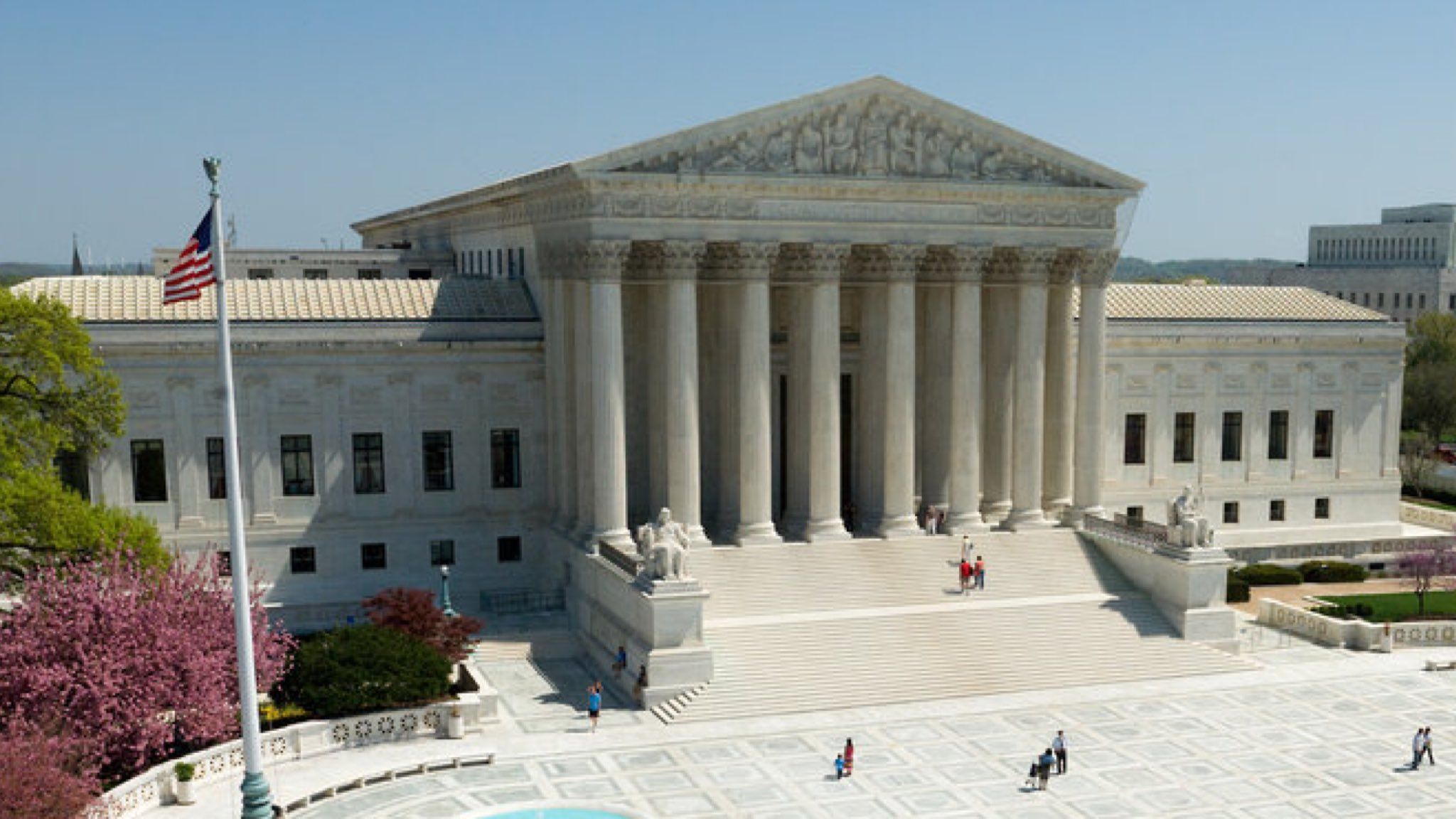
President Trump's administration has formally petitioned the Supreme Court to deliver an expedited ruling on the legality of his sweeping tariffs, aiming to overturn a lower court's decision that threatens to dismantle a cornerstone of his economic strategy. In a filing submitted on September 3, 2025, Solicitor General D. John Sauer urged the justices to decide by September 10 whether to take up the case and, if granted, schedule oral arguments for the first week of November. This urgent appeal underscores the high stakes for American industry, national security, and fiscal stability, as the tariffs have generated billions in revenue while protecting domestic jobs from unfair foreign competition.
The tariffs in question represent a bold response to decades of imbalanced trade practices that have hollowed out American manufacturing and enriched adversaries like China. Implemented under President Trump's authority via Section 232 of the Trade Expansion Act of 1962, which allows the president to impose duties on imports posing national security risks, these measures targeted steel, aluminum, and other goods from multiple countries. Starting in 2018 during his first term and expanded upon his return to office in 2025, the tariffs have averaged around 16.3% on affected imports, raising tens of billions annually for the U.S. Treasury and encouraging reshoring of critical supply chains. Proponents argue they level the playing field against subsidized foreign producers, reduce reliance on hostile nations, and fund infrastructure without raising taxes on Americans.
However, this policy has faced a barrage of legal challenges from importers, foreign governments, and domestic businesses reliant on cheap overseas goods. The latest setback came from the U.S. Court of Appeals for the Federal Circuit, which ruled 7-4 on August 30, 2025, that President Trump exceeded his executive powers by imposing the tariffs without explicit congressional approval. The court asserted that tariff authority resides primarily with Congress, deeming the national security rationale overbroad and potentially unconstitutional. While the appeals court stayed its decision until October 14 to allow for Supreme Court review—keeping the tariffs in place temporarily—a full reversal could force refunds of collected duties, slashing the effective tariff rate by at least half and costing the economy dearly in lost protections and revenue.
This ruling fits a troubling pattern of judicial overreach that has repeatedly hampered President Trump's agenda since his first inauguration. Activist judges in lower courts have issued nationwide injunctions and creative interpretations to block key initiatives, from border wall construction and immigration enforcement to energy deregulation and trade reforms. In May 2025, the U.S. Court of International Trade initially struck down portions of the tariffs, labeling them an abuse of emergency powers and prompting White House officials to decry the decision as a mere "hiccup" engineered by unelected ideologues. Such interventions echo earlier obstructions, like the Ninth Circuit's halts on travel bans from terror-prone countries or district court stays on pipeline approvals, which delayed progress for years and forced costly appeals. President Trump has blasted these tactics as "tariff lawfare," a form of weaponized litigation designed to thwart the will of the American people and undermine executive authority on matters of national interest.
In his public statements leading up to the filing, President Trump highlighted the urgency, noting that foreign nations have long exploited the U.S. with their own tariffs without facing reciprocity. "The stakes could not be higher," he declared, warning that vacating the tariffs would embolden competitors and weaken America's economic sovereignty. Treasury officials have echoed this, projecting that a defeat could necessitate refunds exceeding $50 billion, disrupting federal budgets and exposing industries to renewed dumping.
The Supreme Court, with its solid originalist majority shaped by President Trump's three appointees, now holds the key to restoring balance. If the justices agree to hear the case on an accelerated timeline, it could affirm broad presidential discretion in trade policy under national security pretexts, setting a precedent to shield future administrations from similar judicial meddling. Legal experts anticipate a favorable outcome, given the court's recent track record of curbing lower-court excesses and upholding executive prerogatives in areas like foreign affairs.
Like this article