SCOTUS Signals Frustration with Lower Court Defiance in Ongoing Lawfare Against Trump Agenda
In Thursday's decision, the Supreme Court lifted a block imposed by U.S. District Judge William Young in June 2025, who had ruled that terminating the grants violated federal law.
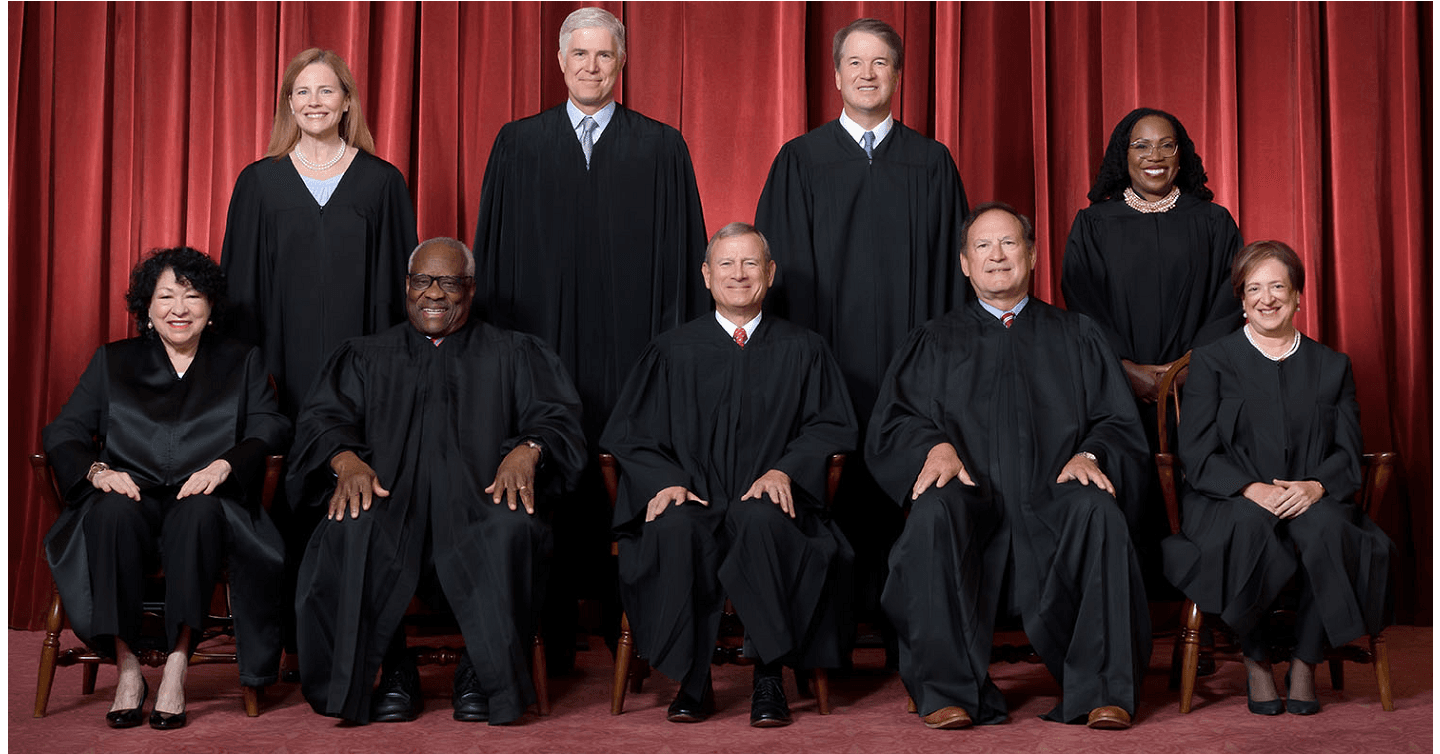
The Supreme Court has voiced growing impatience with lower courts repeatedly ignoring its precedents, as evidenced by a recent ruling allowing President Trump's administration to slash National Institutes of Health (NIH) diversity, equity, and inclusion (DEI) grants. Associate White House Counsel Grace Pastor highlighted this on Newsmax's "Wake Up America," noting it's the third instance in weeks where the high court had to reaffirm the same principle due to judicial overreach.
In Thursday's decision, the Supreme Court lifted a block imposed by U.S. District Judge William Young in June 2025, who had ruled that terminating the grants violated federal law. The administration sought emergency relief, arguing Young's order defied an April 2025 SCOTUS precedent barring district courts from compelling federal grant payments. "The bigger issue is that the Supreme Court's warning the lower courts that they need to stop defying Supreme Court orders," Pastor stated. "This was just an act of defiance by the lower courts and the Supreme Court's not happy about it... if they don't follow precedent at the lower court level, it's going to lead to judicial anarchy."
The NIH case stems from President Trump's February 2025 executive orders targeting DEI initiatives across federal agencies, deeming them discriminatory and wasteful. The cuts affected over $800 million in grants for research promoting diversity in health fields. Sixteen states and researchers sued, securing a lower court injunction mandating reinstatement. SCOTUS's 5-4 stay halts that, permitting cuts to proceed amid ongoing litigation, with justices like Sonia Sotomayor dissenting that it rewards defiance, though the majority emphasized adherence to prior rulings.
This pattern of lower court resistance forcing repeated SCOTUS interventions underscores a broader lawfare campaign impeding President Trump's priorities. In July 2025, the court allowed mass layoffs of 1,400 Education Department employees—half the workforce—to streamline bureaucracy and shift control to states. A lower court had blocked this, but SCOTUS cited its April precedent against forcing grant or personnel reinstatements, lifting the injunction temporarily.
Another repeat: The April 2025 ruling itself stemmed from a challenge to freezing $65 million in DEI-linked teacher training grants, where lower courts defied executive authority over funding. SCOTUS's 5-4 decision permitted the freeze, only for similar blocks to arise in NIH and Education cases, necessitating reinterventions.
In June 2025's Trump v. CASA, the court curbed "universal injunctions" by activist judges halting national policies, addressing defiance in immigration enforcement. A lower court had enjoined deportation plans, but SCOTUS narrowed it, limiting such overreach—yet subsequent cases show persistent circumvention.
This judicial pushback forms part of over 220 lawsuits against President Trump's second term in its first 100 days, dwarfing Obama's 20 or Biden's 50 in similar periods. By mid-2025, trackers count 328 challenges, far exceeding first-term highs of 133 multistate suits over four years. Democratic attorneys general lead, targeting immigration, energy, and deregulation.
Yet, reversals are common: In President Trump's first term, lower blocks on the travel ban (overturned 5-4 in 2018), DACA rescission (procedurally remanded but upheld in principle 5-4 in 2020), and border wall funding (largely allowed on appeal) saw over 60% of initial losses modified or reversed higher up. Current trends suggest similar outcomes, with SCOTUS's conservative majority increasingly curbing lower court activism to safeguard executive authority.
As lawfare escalates, President Trump's team prepares appeals, leveraging SCOTUS's signals to dismantle obstructions and advance America's priorities unhindered.
Like this article