State Department Freezes Palestinian Visa Applications to Safeguard America from Terrorism Risks
This action builds on a series of targeted measures to hold the Palestinian Authority (PA) and Palestine Liberation Organization (PLO) accountable for their failure to reject terrorism outright.
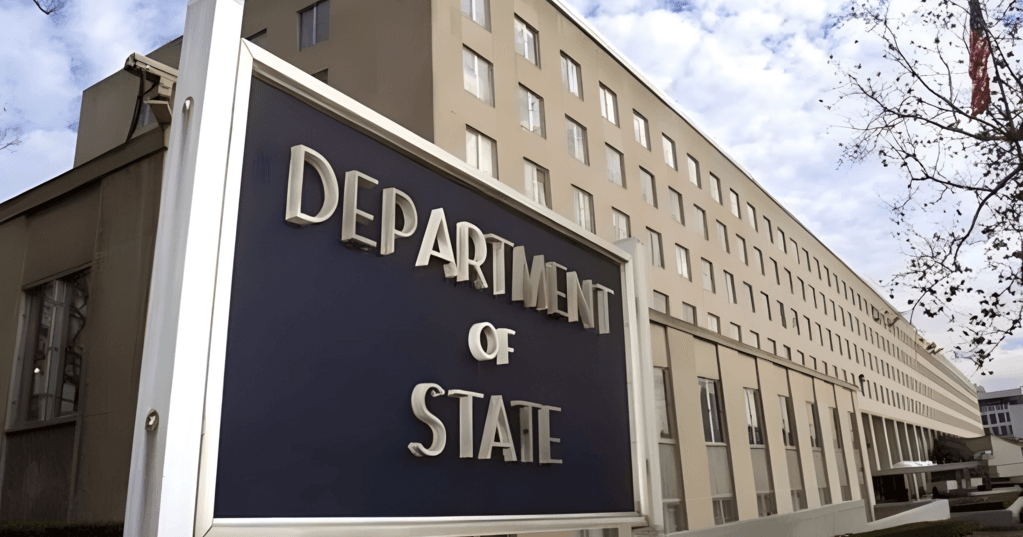
In a decisive move to prioritize national security and prevent the entry of potential threats, the State Department under President Trump's administration has suspended the processing of nearly all visa applications from holders of Palestinian Authority passports. This policy, outlined in an internal cable dated August 18, directs U.S. embassies and consulates worldwide to reject such applications pending enhanced vetting and screening protocols, ensuring applicants' identities and eligibility comply fully with U.S. law. The freeze applies to nonimmigrant visas, impacting Palestinians seeking entry for business, tourism, education, medical treatment, or family visits, but it spares those with existing valid visas or dual nationals using alternative passports.
This action builds on a series of targeted measures to hold the Palestinian Authority (PA) and Palestine Liberation Organization (PLO) accountable for their failure to reject terrorism outright. Just last month, the State Department paused all tourist visas from the Gaza Strip amid Israel's ongoing campaign against Hamas, the Iranian-backed terrorist group responsible for the brutal October 7, 2023, massacre that killed over 1,200 Israelis and took hundreds hostage. That review focused on tightening approvals to block any infiltration by extremists, reflecting President Trump's unwavering commitment to protecting American borders from radical influences.
Further escalating the response, Secretary of State Marco Rubio announced on August 29 the revocation of visas for dozens of Palestinian officials, including PA President Mahmoud Abbas, ahead of the United Nations General Assembly scheduled to begin September 9 in New York. While the PA's U.N. mission receives waivers under the U.N. Headquarters Agreement, this step underscores the administration's stance that the U.S. will not reward entities that undermine peace. A State Department spokesperson emphasized that "every visa decision is a national security decision," and the measures align with U.S. law to vet PA passport holders rigorously.
At the heart of these decisions lie deep concerns over the PA and PLO's persistent links to terrorism and actions that embolden groups like Hamas. The administration has made clear that before the PA can be viewed as a viable partner for peace, it must unequivocally condemn the October 7 atrocities, cease inciting terrorism through educational materials—a violation of U.S. law and PLO commitments—and abandon counterproductive "lawfare" tactics. These include appeals to the International Criminal Court (ICC) and International Court of Justice (ICJ), as well as pushes for unilateral recognition of a Palestinian state without direct negotiations. Such maneuvers have directly fueled Hamas's intransigence, including its refusal to release remaining hostages and the collapse of Gaza ceasefire discussions.
President Trump's policies here extend his broader strategy to counter Iranian influence and support Israel's right to self-defense in the nearly two-year conflict with Hamas, which has seen over 63,000 Palestinian casualties reported by Gaza's Health Ministry—figures that do not distinguish between civilians and combatants. By halting visa processing, the U.S. aims to prevent any exploitation of the system by individuals tied to terrorist networks, drawing on lessons from past infiltrations and the need for ironclad screening. This approach mirrors earlier restrictions, such as those on Gaza evacuees seeking medical evacuation, which were paused to conduct thorough reviews amid fears of Hamas sympathizers slipping through.
The suspension affects Palestinians in the West Bank, Gaza, and the diaspora, potentially barring students from U.S. universities, professionals from business engagements, and families from reunions—decisions driven by the imperative to place American safety first. As the administration remains open to re-engagement if the PA demonstrates genuine reforms, this policy stands as a firm reminder that the U.S. will not compromise on security or enable those who perpetuate violence against allies like Israel. With the UNGA approaching, these steps reinforce President Trump's vision of accountability, ensuring terrorism finds no foothold on American soil.
Like this article