Trump Bans Wall Street Journal Reporter from Air Force One Over Epstein Story
President Trump bans a Wall Street Journal reporter from Air Force One’s press pool for his Scotland trip, citing the outlet’s “defamatory” Epstein letter story. The move escalates tensions with the media amid a $10 billion lawsuit.
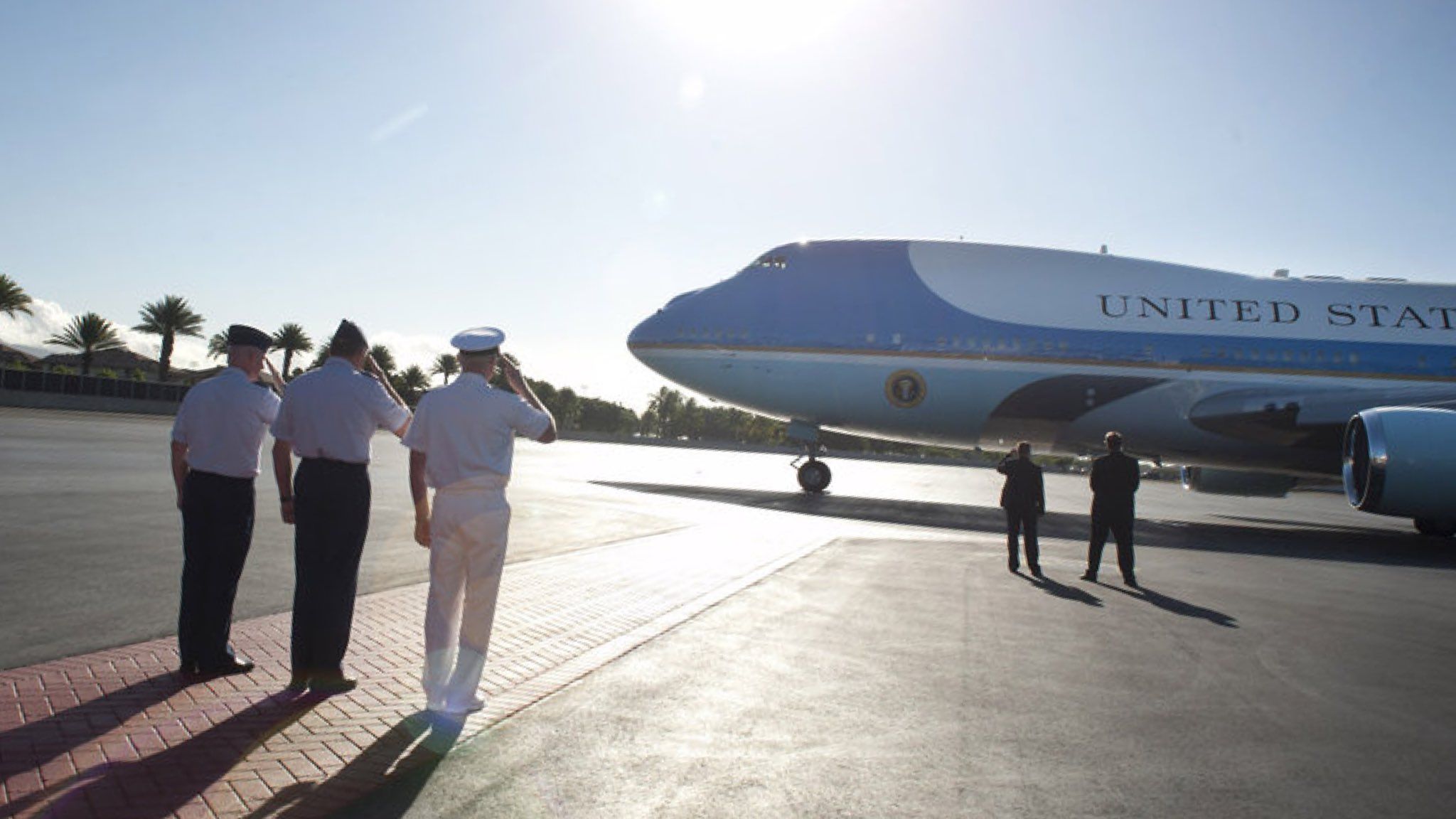
Washington, D.C. — On Monday the White House announced they barred Wall Street Journal reporter Tarini Parti from the press pool aboard Air Force One for President Donald Trump’s upcoming trip to his golf courses in Turnberry and Aberdeen, Scotland. The decision, announced by White House Press Secretary Karoline Leavitt, cited the newspaper’s “fake and defamatory conduct” in a July 17 report alleging Trump sent a suggestive letter to Jeffrey Epstein for his 50th birthday in 2003. The move underscores Trump’s commitment to combating what he calls biased media, a stance resonating with conservatives who view the press as increasingly hostile to the president.
The Wall Street Journal’s article claimed a collection of birthday letters, organized by Epstein’s associate Ghislaine Maxwell, included a note with Trump’s signature and a crude drawing of a woman. Trump, who has acknowledged socializing with Epstein in the 1990s and early 2000s, denies the letter’s authenticity, labeling it a “malicious lie” designed to damage his reputation. On July 18, he filed a $10 billion defamation lawsuit in Miami federal court against the Journal, its owner News Corp., CEO Robert Thomson, and media mogul Rupert Murdoch, seeking accountability for what his legal team calls “reckless reporting.” The lawsuit, assigned to U.S. District Judge Darrin Gayles, marks Trump’s first defamation action as a sitting president, a bold step praised by supporters as a defense against media overreach.
Leavitt justified the ban, stating, “The Wall Street Journal is not guaranteed special access to cover President Trump aboard Air Force One. Thirteen diverse outlets will participate in the Scotland trip press pool, but due to their defamatory conduct, the Journal will not be included.” The White House’s control over press pool rotations, established earlier this year after a dispute with the Associated Press over renaming the Gulf of Mexico, allows such decisions. Conservatives argue this authority is necessary to counter outlets that publish unverified claims, especially amid renewed scrutiny of Epstein’s ties to powerful figures.
The White House Correspondents’ Association, led by CBS News’ Weijia Jiang, condemned the ban as “deeply troubling” and a violation of First Amendment principles. Critics, including the Freedom of the Press Foundation, called it “vindictive” and warned of a chilling effect on journalism. However, Trump’s base, frustrated by what they see as a pattern of media attacks, supports the administration’s pushback.
Trump’s broader media strategy includes past victories, such as settlements with CBS, ABC, and Meta over separate disputes. His July 18 directive to Attorney General Pam Bondi to unseal redacted Epstein grand jury transcripts reflects a commitment to transparency, though some supporters remain skeptical, citing a July 7 Justice Department memo that found no “incriminating client list.” The Wall Street Journal stands by its reporting, setting the stage for a high-stakes legal and public relations battle.
Like this article