U.S.-Ukraine Talks Yield Breakthrough in Geneva: Rubio Hails 'Most Productive' Day on Trump's Peace Framework
The talks, involving Rubio, U.S. Special Envoy Steve Witkoff, Army Secretary Dan Driscoll, and Ukrainian Head of Presidential Administration Andriy Yermak, focused on refining a 28-point U.S.-drafted peace framework for ending Russia's nearly four-year war against Ukraine
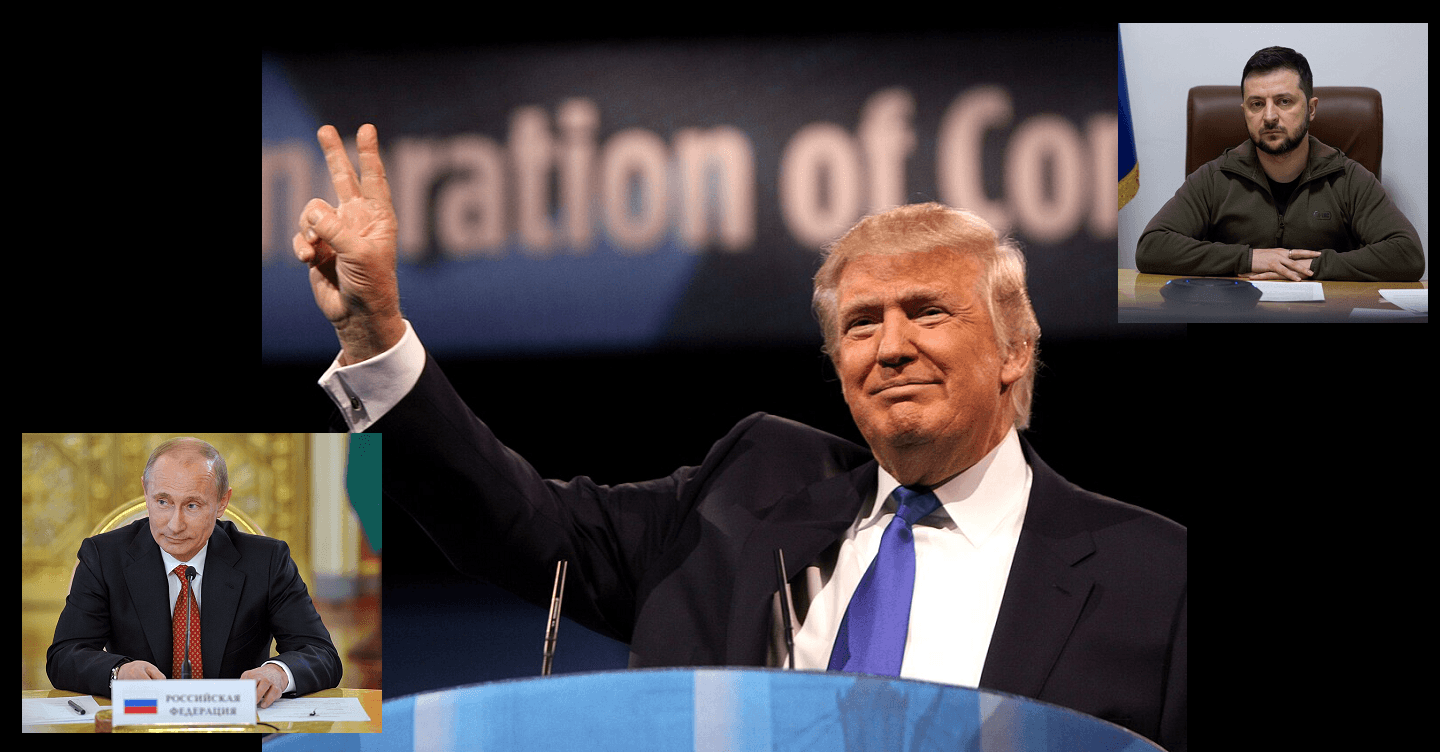
Secretary of State Marco Rubio announced significant advances on November 23, 2025, following high-level U.S.-Ukraine negotiations in Geneva, Switzerland, describing the session as "probably the most productive and meaningful meeting so far in this entire process" since President Donald Trump returned to office. The talks, involving Rubio, U.S. Special Envoy Steve Witkoff, Army Secretary Dan Driscoll, and Ukrainian Head of Presidential Administration Andriy Yermak, focused on refining a 28-point U.S.-drafted peace framework for ending Russia's nearly four-year war against Ukraine. Rubio emphasized that while "a couple of issues" remain unresolved, they are "not insurmountable," expressing optimism for a deal "in a very reasonable amount of time."
The Geneva discussions marked the first direct engagement between U.S. and Ukrainian teams on the evolving proposal, which Rubio clarified was "authored by the U.S." despite earlier confusion from U.S. senators who claimed Rubio described it as a Russian "wish list." Rubio rebutted those reports on social media, stating the plan incorporated input from all parties but originated in Washington. Yermak echoed the positivity, calling the meeting "very productive" and affirming Ukraine's appreciation for U.S. mediation in pursuing a "just and lasting peace." A joint statement from both delegations highlighted "meaningful progress" in aligning positions, with commitments to continue intensive work on joint proposals in the coming days.
The framework, first outlined by President Trump in October 2025, envisions a ceasefire, Russian withdrawal from occupied territories, security guarantees for Ukraine, and reconstruction aid tied to governance reforms. Key sticking points addressed in Geneva include NATO membership timelines, military size limits for Ukraine, and territorial concessions—issues Rubio noted had been "substantially narrowed" through revisions. Earlier drafts, leaked in late October, drew criticism from European allies and bipartisan U.S. senators for perceived favoritism toward Moscow, such as frozen conflict lines and veto powers over Ukrainian defense spending. Rubio's team incorporated European input, including from the E3 (France, Germany, UK), to balance sovereignty protections with economic incentives like a $50 billion reconstruction fund.
President Trump set an initial Thanksgiving deadline for Ukraine's acceptance but signaled flexibility, stating on November 23 that the proposal is "not my final offer" and expressing frustration over perceived lack of gratitude from Kyiv despite $200 billion in U.S. aid since 2022. The Geneva session smoothed tensions, with Yermak reiterating Ukraine's commitment to territorial integrity and freedom to choose alliances, while acknowledging U.S. efforts to mediate without preconditions.
Looking ahead, negotiators plan follow-up virtual sessions this week, potentially including Russian participation by December 1, to finalize the document for presidential approval. Rubio indicated a U.S.-Russia meeting could occur "quickly" outside Geneva, with European leaders like German Chancellor Friedrich Merz and French President Emmanuel Macron briefed in real-time. If resolved, the plan could pave the way for a multilateral summit in early 2026, involving NATO and the EU, to implement demilitarization, aid disbursement, and monitoring mechanisms. Failure risks escalation, as Russia has conducted 1,500 strikes on Ukrainian energy infrastructure since March 2025, per the International Energy Agency. The breakthrough underscores Trump's hands-on diplomacy, building on his October Middle East successes, toward a comprehensive resolution.
Like this article